Yes — if structured properly. In Colorado, a real estate broker can legally rebate part of their earned commission to a buyer or seller. However, the rebate must be properly documented and, if you’re using a mortgage, disclosed to and approved by the lender and reflected on the Closing Disclosure.
If you’re asking, “Can my Realtor just write me a check after closing?” the safest answer is:
- For financed deals: The rebate should be disclosed and shown on the Closing Disclosure / settlement statement and approved by the lender. Paying it “off the books” can create serious problems.
- For cash deals: You have more flexibility, but it’s still best practice to document the rebate in writing and keep everything clean and transparent.
If you want the “big picture” version first, start here: Buyer Commission Rebates in Colorado (2026 Guide).
What “Cash Back” Usually Means in Real Estate
Most people mean one of these:
- A commission rebate at closing (a credit on the settlement statement)
- A check after closing (paid after recording)
- A “gift” after closing (not promised in advance)
These are not all treated the same by lenders or regulators. The cleanest approach (especially with financing) is a commission credit disclosed at closing.
Colorado’s Rule of Thumb: Rebates Are Allowed—But Don’t Do Them “Outside of Closing”
Colorado regulators have long taken the position that brokers may rebate part of an earned commission to a principal in the transaction (buyer/seller), and the U.S. Department of Justice has publicly referenced Colorado’s position in support of consumer rebates.
But Colorado materials and position statements also emphasize that rebates tied to a transaction—especially when financing is involved—should be handled through proper disclosure and the settlement statement, and they warn against paying rebates “outside of closing.”
Translation: You can absolutely structure buyer savings through a rebate model, but you should do it the right way—on paper, up front, and through closing when a lender is in the picture.
If You’re Getting a Mortgage: A Post-Closing Check Can Create Problems
When there’s a lender involved, the lender is underwriting your funds-to-close, allowable credits, and the full economics of the transaction. If a Realtor pays you money after closing that wasn’t disclosed/approved, that can raise red flags.
Colorado’s Commission Position guidance warns that undisclosed rebates with financing can be treated as a serious issue (because it can look like undisclosed inducement or loan fraud).
Best practice (financed deal)
- Put the rebate terms in writing (buyer agreement and/or addendum).
- Disclose it to the lender early.
- Have the title company show it as a commission credit on the settlement statement / CD.
- Expect lender rules to cap how much can be credited (based on closing costs/prepaids/loan type).
If you want the mechanics and a real-number example, this pairs well with: What Are Buyer Commission Rebates in Denver?
If You’re Paying All Cash: Is a Rebate After Closing “Okay”?
In an all-cash deal, you remove the lender’s underwriting and Closing Disclosure rules from the equation, which generally reduces risk.
That said, “okay” still depends on doing it cleanly:
- Document it (so it’s clearly a reduction of the broker’s earned commission, not a hidden side agreement).
- Disclose it appropriately to the parties involved (and your closing company if needed).
- Avoid anything that looks like an undisclosed inducement or that conflicts with your contract terms.
Even for cash buyers, the cleanest structure is often still a rebate shown on the settlement statement—because it creates a simple paper trail.
What About a “Gift” After Closing?
There’s a difference between:
- A promised rebate (advertised/negotiated as part of why you hired the broker)
- A truly gratuitous gift after closing (not promised, not used to induce the transaction)
Colorado guidance distinguishes “rebates” from “gratuitous gifts” and stresses that transaction-related rebates shouldn’t be paid outside of closing.
Practical takeaway: If it was part of the deal (or part of why you chose the agent), treat it like a rebate—document it and run it through closing.
How to Structure Cash Back the Right Way (Simple Checklist)

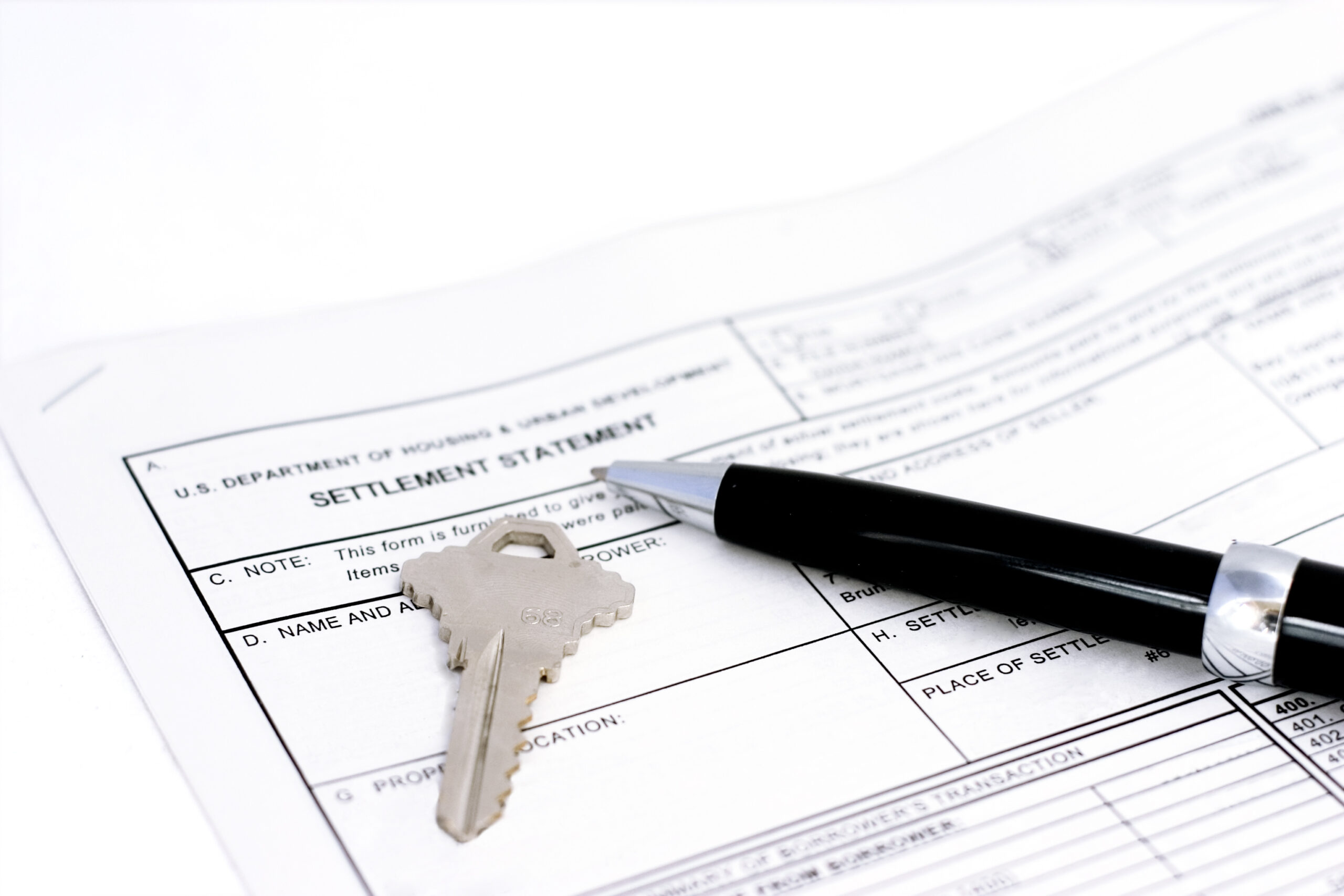
Reviewing closing documents to ensure commission rebates are properly disclosed.
Option A (recommended): Commission credit at closing
- Rebate is disclosed in writing
- Title company shows it as a credit on the settlement statement / CD
- Lender approves it (if applicable)
Option B (cash transactions only — use caution): Post-closing payment
- Document the rebate clearly in writing as a reduction of earned commission
- Maintain a clear paper trail (invoice, memo, closing file documentation)
- Avoid any structure that appears hidden or contingent in a problematic way
- Understand that rebates paid outside of closing may not receive the same purchase-price adjustment treatment and could create tax or reporting complications
For this reason, even in cash transactions, many brokers prefer to reflect the rebate on the settlement statement whenever possible. Proper disclosure benefits both the buyer and the agent.
For a deeper Colorado-specific overview, see: Realtor Rebates in Colorado.
Do the New Buyer-Agent Rules Change Rebates?
Industry rules have changed since 2024, including requirements around written buyer agreements for MLS participants before touring homes in many MLS environments.
Rebates still exist—but the cleanest approach is to make the rebate explicit in the buyer agreement so the buyer understands:
- what compensation the buyer’s agent may receive,
- how any rebate is calculated, and
- how it will be applied (typically as a closing credit, subject to lender rules).
If you’re trying to understand buyer-agent compensation in the “new normal,” NAR’s settlement resources are a good general reference point.
Are Realtor Rebates Taxable?
Generally, no — when structured properly. When a real estate commission rebate is disclosed on the settlement statement or Closing Disclosure, it is typically treated as a reduction in the purchase price, not taxable income. In other words, it adjusts your cost basis rather than creating ordinary income.
This is one of the major advantages of structuring the rebate correctly and showing it on the settlement statement. Proper disclosure:
- Creates a clear paper trail
- Avoids lender issues (if financed)
- Supports treatment as a price reduction rather than income
- Protects both the buyer and the broker
The IRS generally treats rebates from sellers or agents as purchase price adjustments rather than taxable income. You can review general homeowner tax guidance in
IRS Publication 530 (Tax Information for Homeowners).
Important: Tax situations vary. Always confirm your specific circumstances with a CPA or tax professional — especially if you receive a 1099 or are structuring a transaction outside the normal settlement process.
Common Scenarios (Examples)
Example 1: Financed purchase (best practice)
- Buyer’s agent earns $20,000 commission
- Agent rebates $10,000
- $10,000 is shown on the Closing Disclosure as a commission credit
- Lender approves (and may limit how much can be applied based on actual costs)
Example 2: Cash buyer wants a check after closing
- More flexibility, but still document it clearly
- Prefer a settlement-statement credit when possible for clean records
If you want to see how rebates work with real numbers and how buyers often use them to reduce cash-to-close, start here: Buyer Commission Rebates in Colorado.
FAQ
Can a Realtor give me cash back after closing in Colorado?
Colorado permits brokers to rebate a portion of their earned commission to a buyer or seller, but the safest method—especially when financing is involved—is to disclose it and run it through closing as a commission credit.
Is it legal for my agent to write me a check after closing?
In a cash deal, it may be possible if properly documented. In a financed deal, an undisclosed post-closing payment can create major lender and compliance issues. The best practice is to disclose and apply it at closing with lender approval.
Does my lender need to know about a rebate?
Yes, if you’re getting a mortgage. The rebate should be disclosed to the lender and shown on the settlement statement or Closing Disclosure, subject to lender approval.
Can I use a rebate to cover closing costs?
Often yes, up to allowable limits and lender rules. The rebate is typically applied as a credit toward eligible closing costs/prepaids (not “extra cash in your pocket” on a financed deal).
How EZ Agents Structures Buyer Rebates
At EZ Agents, buyer commission rebates are structured transparently and disclosed properly from the start. The rebate terms are outlined in writing, communicated to the lender (if financing is involved), and reflected on the settlement statement or Closing Disclosure. No payments are provided outside of the transaction that are not clearly outlined on the CD.
This ensures the rebate is treated as a reduction in purchase price rather than income, avoids lender complications, and protects both the buyer and broker.
Whether the transaction is financed or all-cash, the goal is the same: full transparency, clean documentation, and maximum savings delivered the right way.
Learn more about how our 50% buyer commission rebate works here:Buyer Commission Rebates in Colorado.
Bottom Line
Rebates are real and legal in Colorado when done properly—but a casual “I’ll just Venmo you after closing” approach is where people get into trouble (especially with a mortgage).
If you want cash-back savings, do it the clean way:
- Put it in writing
- Disclose it early
- Run it through closing as a commission credit
Next step: Read the full guide and estimate your potential savings here:
Buyer Commission Rebates in Colorado.
External sources used:
DOJ letter re: Colorado commission rebates
Colorado DRE Commission Position on rebating earned commission (PDF)
Colorado Real Estate Manual excerpt re: “outside of closing”
NAR written buyer agreements overview (post-Aug 17, 2024 MLS practice changes)